 An official website of the United States Government
Official websites use .gov
A .gov website belongs to an official government organization in the United States.

A .gov website belongs to an official government organization in the United States.

A lock or https:// means you’ve safely connected to the .gov website. Share sensitive information only on official, secure websites
 |
On the night of December 2, 1984, a catastrophic release of methyl isocyanate gas occurred at the Union Carbide India Limited pesticide plant in Bhopal, India. The incident resulted in the immediate deaths of at least 3,800 people, many additional follow-on fatalities, and hundreds of thousands of injuries, making it the worst industrial disaster in history. This case study examines the medical management and safety considerations associated with the incident.
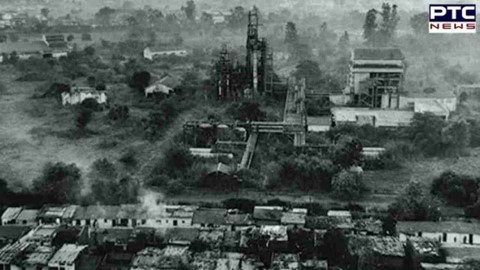
The Union Carbide plant in Bhopal manufactured carbamate pesticides using methyl isocyanate. On the night of the disaster, water entered a methyl isocyanate storage tank, triggering a violent chemical reaction that released approximately 40 metric tons of toxic gas into the surrounding area. The gas spread over densely populated neighborhoods, causing widespread panic and mass casualties. The plant lacked adequate safety systems, and the community was not warned of the toxic in time.
Methyl isocyanate is a colorless, highly flammable liquid with a pungent odor. It evaporates quickly when exposed to air and is heavier than air, allowing it to settle in low-lying areas. Methyl isocyanate is extremely toxic and can be absorbed through inhalation, ingestion, or skin contact. Exposure can cause severe respiratory distress, pulmonary edema, and death. The CDC notes that methyl isocyanate vapors are dangerous even below the odor threshold, meaning odors may not offer sufficient warning of exposure.
Methyl isocyanate exposure can result in the following symptoms:
According to CDC Medical Management Guidelines, recommended treatment includes:
Thousands of people died within hours of the gas release, and many more succumbed to injuries in the following days. Survivors experienced long-term respiratory issues, vision loss, and neurological damage. Hospitals were overwhelmed, and medical personnel lacked information about the chemical involved, complicating treatment efforts.
Victims received symptomatic treatment including oxygen therapy, bronchodilators, and intravenous fluids. In some cases, sodium thiosulfate was administered to counter suspected cyanide poisoning; however, this was later determined to have been unwarranted as sodium thiosulfate is not an antidote for methyl isocyanate exposure. Decontamination procedures included removal of contaminated clothing and thorough skin and eye irrigation. Many individuals were monitored for delayed pulmonary and neurological effects. Some victims were administered sodium thiosulfate because healthcare providers mistakenly believed that patients were exposed to hydrogen cyanide, for which sodium thiosulfate is an accepted antidote (accordingly, sodium thiosulfate should not be administered to exposed persons).
Patients exposed only to methyl isocyanate gas do not pose a risk of secondary contamination; only liquid methyl isocyanate exposure poses such a risk. First responders should initiate decontamination by removing victims from the exposure zone, removing contaminated clothing, and irrigating exposed skin and eyes with copious amounts of water. According to the CDC, rapid skin decontamination is critical.
Responders must wear appropriate PPE, including Level B protection with supplied-air respirators (SABA) or self-contained breathing apparatus (SCBA). Methyl isocyanate-specific gas detectors should be used to monitor air concentrations in suspected releases. Escape respirators and personal monitors are essential for all personnel operating in potentially contaminated zones. Vomitus should be considered potentially toxic.
Hospital staff should ensure secondary contamination from liquid methyl isocyanate is minimized by isolating exposed individuals upon arrival. Patients should undergo decontamination prior to entering the emergency department, including removal of contaminated clothing and thorough washing of skin and eyes. Dedicated decontamination areas should be used to prevent exposure to hospital personnel and other patients.
Healthcare providers should wear appropriate PPE when treating patients exposed to methyl isocyanate, including gloves, gowns, eye protection, and respiratory protection if off-gassing from contaminated clothing or skin is suspected. Staff should be trained to recognize symptoms of methyl isocyanate exposure and in the use of PPE to prevent secondary exposure
The Bhopal disaster revealed critical gaps in responder and hospital preparedness and chemical hazard communication. It emphasized the need for robust safety protocols, community awareness, and rapid medical response capabilities. The incident also showed the importance of transparency from chemical manufacturers during emergencies.